
The allure of risk and reward
The psychology behind gambling is intricately woven into the fabric of human behavior, particularly concerning the allure of risk and its potential rewards. Casinos are intentionally designed to amplify this appeal, leveraging bright lights, vibrant colors, and enticing sounds to create an environment that stimulates excitement. The anticipation of both winning and losing triggers a complex emotional response where players often chase the high of a win, underscoring the fundamental thrill of risk-taking, especially when considering options like neosurf casino instant withdrawal . This phenomenon can be partially attributed to the brain’s reward system, which releases dopamine, a neurotransmitter associated with pleasure, during moments of potential reward.
Moreover, the excitement around risk in gaming can be seen as a way to escape the mundane aspects of daily life. For many individuals, the casino becomes a sanctuary where they can explore their boundaries, test their luck, and experience the rush that comes from uncertainty. The variability of outcomes in games, from slots to poker, feeds a player’s desire for risk. This unpredictability not only enhances engagement but also cultivates a sense of hope, which many players cling to, believing that fortune may soon favor them.
Understanding the psychological underpinnings of risk-taking in casino gaming requires examining the difference between calculated risks and pure chance. While some strategies can minimize risk, others rely entirely on luck. This dichotomy contributes to the allure, as players may feel empowered when employing strategies, while simultaneously being drawn to games of chance for sheer unpredictability. This balance of skill and chance can create a compelling narrative for players, ultimately influencing their decisions and reinforcing their desire to engage in further gameplay.
The role of cognitive biases
The impact of cognitive biases on casino gaming cannot be underestimated. One prevalent bias is the illusion of control, where players believe they have the power to influence outcomes in games that are fundamentally random. This can manifest in various forms, such as a player who believes that by employing specific betting strategies or rituals, they can sway the odds in their favor. Such biases not only enhance a player’s belief in their ability to win but also contribute to repeated play, as they become more immersed in the experience.
Another significant cognitive bias present in gambling is the gambler’s fallacy. Players often misinterpret streaks of wins or losses as indicative of future outcomes, leading them to make ill-informed decisions. For instance, a player who observes a slot machine that hasn’t paid out for a while may feel it is ‘due’ for a win, despite the fact that each spin is independent of past results. This erroneous thinking can result in continued play and increased risk-taking, as individuals chase their perceived opportunities for winning.
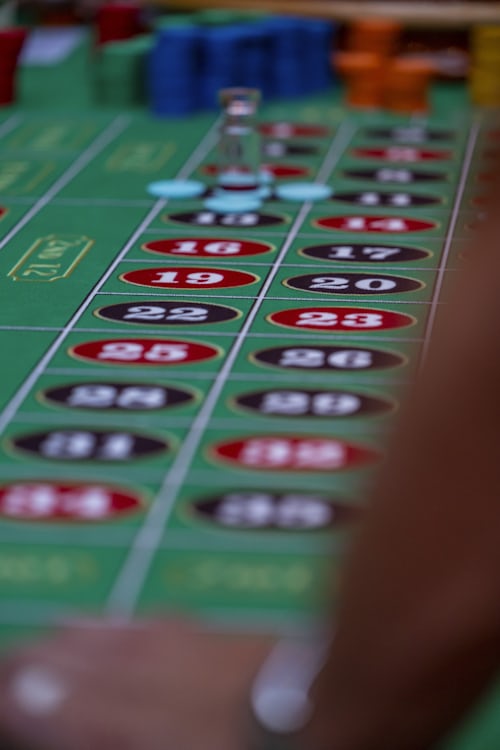
Additionally, the framing of information about odds and payouts can heavily influence decision-making in casinos. Players may underestimate the actual probability of winning or overemphasize the potential payout, leading to a distorted perception of risk. Promotional offers and jackpots are often framed in ways that highlight potential gains, which can skew players’ perception of the risks involved. As such, understanding these biases is crucial for both players and casino operators, as they play a significant role in shaping gambling behavior.
The emotional rollercoaster of gambling
Gambling can be viewed as a potent emotional rollercoaster, where players experience a wide range of feelings, from euphoria to despair. This emotional dynamic is crucial to understanding the psychology of risk in casino gaming. Winning can create intense feelings of excitement and validation, reinforcing the behavior and encouraging further play. Conversely, losing can invoke feelings of frustration and anxiety, leading individuals to chase their losses, often increasing their risk-taking behavior in the hopes of recouping their investment.
The cyclical nature of these emotional highs and lows can also foster a sense of addiction. The cycle of winning temporarily fulfills a player’s need for excitement and reinforces habitual behavior, while the lows can trigger a desperate need to return to that state of euphoria. As players become trapped in this cycle, they may increasingly engage in riskier behaviors, ignoring rational assessments of their finances or the odds of success. This emotional investment can lead to problematic gambling patterns where the line between entertainment and compulsion blurs.
Furthermore, casinos are well aware of the emotional aspects of gambling and use them to their advantage. Through thoughtful design and environment, including compounding sensory experiences, casinos create atmospheres that heighten emotional responses and extend gaming sessions. Players are enveloped in a world that minimizes the focus on time or monetary loss, allowing emotions to dictate behavior. This strategy plays into the psychology of risk, promoting a continuous cycle of risk-taking behavior amidst the thrilling backdrop of potential reward.
The impact of social dynamics
Social interactions play a pivotal role in shaping the risk-taking behavior of casino players. The presence of peers or the atmosphere created by other players can elevate one’s willingness to take risks. When players are surrounded by friends or fellow gamblers, they often feel emboldened to place higher bets and pursue more aggressive strategies, influenced by group dynamics. This social reinforcement can be both positive and negative, pushing individuals to take risks they might not otherwise consider alone.

Moreover, social validation can profoundly influence decision-making processes in a casino. Players may seek approval or admiration from their peers, driving them to take on more risk in hopes of achieving praise or establishing a reputation among their social circle. This need for social acceptance can often overshadow rational thought, leading to impulsive decisions that may not align with their usual risk tolerance. The collective enthusiasm of a gaming table, for instance, can create an electric atmosphere that encourages players to abandon caution and engage in riskier behaviors.
However, not all social dynamics are beneficial. The presence of negative influences or poor decision-making from peers can lead to a cascade effect, where individuals feel pressured to adopt similar risky behaviors. This contagion of risk can escalate quickly, particularly in environments that celebrate high-stakes gambling. Understanding the interplay between social dynamics and individual psychology is essential for grasping the extent of risk-taking in the casino environment, revealing the nuanced ways in which both personal and external factors impact gambling behavior.
Understanding responsible gambling
In light of the psychological complexities surrounding risk in casino gaming, responsible gambling practices are paramount. Educating players about the potential pitfalls of cognitive biases and emotional influences is essential in promoting healthier gambling behaviors. Resources such as counseling, support groups, and self-exclusion programs serve as vital tools in helping individuals navigate their gambling experiences while minimizing harm. Establishing awareness about personal risk thresholds and financial limits can empower players to engage in gaming as a form of entertainment rather than a pathway to financial ruin.
Furthermore, promoting a culture of responsible gambling within casinos can significantly impact player behavior. This can include implementing policies that educate individuals about the risks involved and providing access to tools that help monitor and manage gambling habits. By fostering an environment where responsible play is valued and promoted, operators can mitigate the adverse effects of gambling and contribute to a healthier gaming culture.
Ultimately, understanding the psychology of risk in casino gaming leads to a more comprehensive approach to responsible gambling. Recognizing the emotional, social, and cognitive factors that drive players to take risks equips stakeholders with the knowledge to create safer gambling environments. This awareness can help strike a balance between the thrill of gaming and the necessity of responsible engagement, ensuring that players can enjoy the excitement of casino gaming while remaining mindful of their limitations.